Late winter often brings a slower pace, making it a good time to revisit dental care. If you postponed an exam after the holidays, you’re not alone. The good news is that many dental problems start small, and early care can keep them manageable and less disruptive.
At Gradeless Dental in Fishers, IN, we focus on prevention, comfort, and clear guidance to help you make confident choices for your oral health. Understanding how issues like tooth decay, gingivitis, and worn enamel progress highlights the importance of preventive care and consistent hygiene for a healthy smile.
Why small dental issues often grow quietly
Many oral health conditions develop without obvious pain in the early stages. Cavities can form under plaque, along the gumline, or between teeth where toothbrushes miss. Gum irritation can progress to gum disease without significant discomfort at first. By the time a problem becomes painful, it often requires more involved treatment.
Routine dental visits catch early changes before they escalate. During professional cleanings, your hygienist removes tartar, which daily brushing cannot eliminate. Exams identify subtle changes in enamel, old fillings, bite wear, and signs of periodontal disease that may not be visible at home.
What happens when you wait: common “small” problems that become big
When care is delayed, the mouth continues its daily activities—chewing, grinding, and interacting with bacteria—which can accelerate decay and inflammation. Here are common examples Gradeless Dental sees:
Early tooth decay becomes a larger cavity. Small decay can be treated with tooth-colored fillings. If decay spreads deeper, crowns may be needed to restore strength. If bacteria reach the nerve, root canals may be required to save the tooth.
Gingivitis can progress to periodontitis. Early gum inflammation often causes redness or bleeding during flossing or brushing. Without preventive care and improved hygiene, the infection can affect the bone supporting the teeth. Periodontitis, a more advanced form of gum disease, can lead to shifting teeth, gum recession, and potential extractions.
Small cracks can become broken teeth. Minor fractures from chewing hard foods or clenching can spread over time, compromising the tooth’s structure. This increases the likelihood of needing crowns, root canals, or even tooth replacement options like implants or bridges.
How does Preventive Dentistry help you avoid bigger treatment?
Preventive dentistry allows your dental team to spot patterns early and respond with services tailored to your needs. This approach supports oral health by focusing on early intervention and personalized guidance, helping many patients avoid surprise pain or urgent visits.
Preventive services typically include an exam, X-rays when needed, and professional cleaning. You also receive targeted coaching on brushing, flossing, toothpaste recommendations, and mouthwash choices based on your risk for cavities or gum inflammation. Clear steps, rather than broad advice, help protect your teeth long-term.
The step-by-step value of a routine exam and cleaning
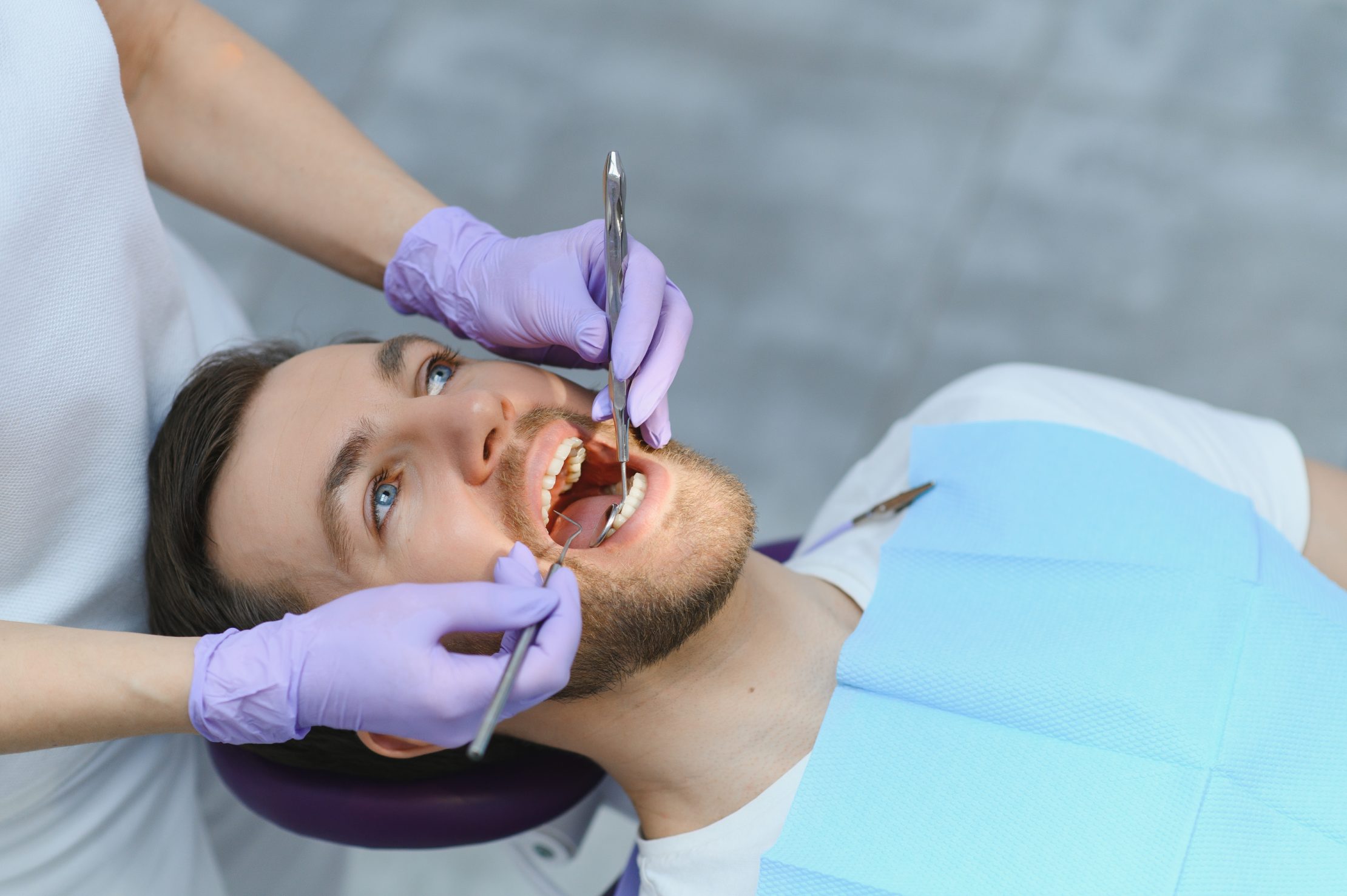
Preventive care works best when consistent and thorough. While every visit is personalized, a typical appointment often includes:
- Health history and concerns: Share symptoms, sensitivity, dry mouth, or changes you’ve noticed, along with relevant health issues and medications.
- Comprehensive exam: The dentist checks teeth, gums, bite, existing fillings, and signs of oral diseases.
- Gum evaluation: Screening identifies gingivitis or periodontal disease early, before deeper damage occurs.
- Professional cleaning: Plaque and tartar are removed, and teeth are polished to help bacteria attach less easily.
- Prevention planning: Recommendations may include fluoride treatments, sealants, or a home care plan to improve oral health.
This preventive care supports steady progress and connects oral health to overall health, including links between gum inflammation and conditions like heart disease.
Why tooth-colored fillings matter when decay is caught early
Tooth-colored fillings show why early treatment pays off. When a cavity is small, the dentist can remove decay and restore the tooth with a natural-looking filling that blends with your smile. This approach supports function and appearance, which many patients value.
Ignoring decay allows cavities to grow, weakening the tooth. Larger restorations may require crowns to protect the structure. If infection reaches the inner tooth, root canals may be needed. Early treatment preserves more of your natural tooth and simplifies recovery.
Home habits that keep small issues from returning
Preventive dentistry works best when paired with good oral hygiene at home. Consistency matters more than perfection. A few daily habits make a measurable difference in preventing cavities and gum problems:
- Daily brushing twice a day with fluoride toothpaste, using soft toothbrushes with gentle bristles
- Floss once a day to clean where brushing misses, especially between teeth
- Mouthwash if recommended by your dentist, particularly if you’re prone to gingivitis
- Plenty of water throughout the day to manage bacteria and support saliva flow
- Balanced diet and healthy choices, limiting sugary snacks that fuel decay
- Regular dental visits to monitor enamel wear, plaque buildup, and early changes
For children, organizations like the American Academy of Pediatric Dentistry highlight the value of routine checkups and protective options like sealants. For adults, the American Dental Association (ADA) emphasizes preventive care as the best way to maintain long-term oral health.
A note about dental insurance and cost concerns
Budget considerations are normal when deciding whether to schedule care, especially early in the year. Many dental insurance plans cover preventive services like exams and cleanings. Gradeless Dental can help you understand how insurance applies and what options fit your situation.
Delaying care often increases costs over time, as advanced treatment tends to be more complex. Addressing a small cavity with fillings usually costs less than crowns, root canals, or extractions. Preventive services protect your smile and help you use insurance benefits effectively.
When to call: early signs you should not ignore
Some symptoms deserve attention even if they seem mild. Sensitivity, bleeding gums, or persistent bad breath can signal an issue worth evaluating. If you notice any of the following, scheduling an exam can bring clarity:
- Tooth sensitivity to cold, heat, or sweets
- Bleeding during brushing or flossing
- A rough edge, chip, or visible crack
- Food frequently getting stuck in one spot
- Swollen gum tissue or persistent discomfort
- Sores that do not heal, as oral cancer screening is part of comprehensive care
Gradeless Dental approaches these concerns with calm, step-by-step explanations, so you understand what’s happening and what options make sense for your oral health.
Staying ahead of dental problems in Fishers, IN
Consistent preventive dentistry builds a strong foundation for lifelong oral health. It protects enamel, lowers decay risk, and reduces the chance of gum inflammation progressing to periodontitis. It also supports treatment planning for restorative solutions like crowns, veneers, clear aligners, implants, or bridges.
If you’ve been waiting since the holidays, June might feel far away, but relief often comes from taking the next small step now. Gradeless Dental welcomes patients of all ages and provides preventive care with modern techniques and a patient-first approach.
Schedule a visit with our team in Fishers to review your oral health, refresh your cleaning, and address small concerns before they become bigger problems.