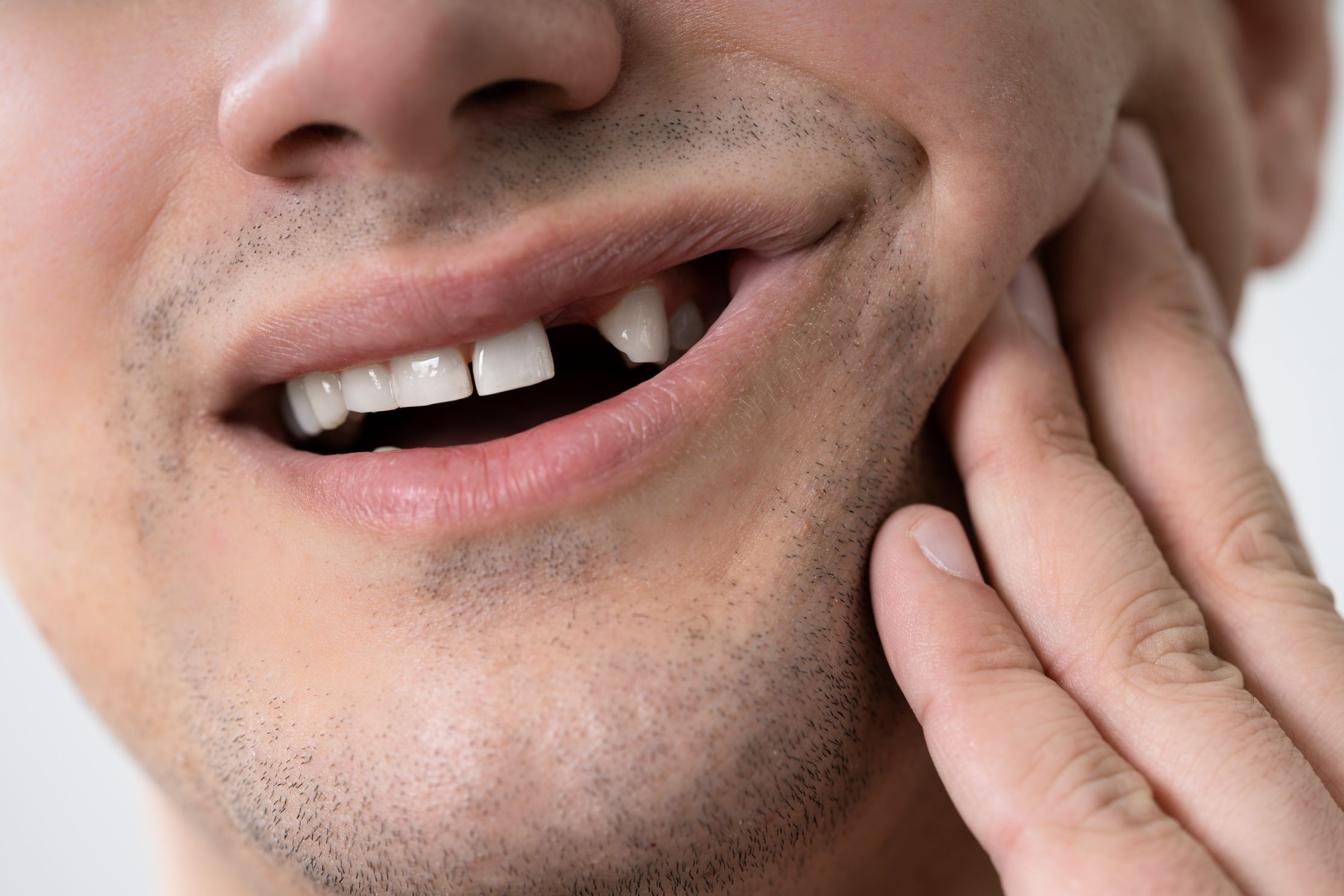
Losing a tooth is often thought of as a cosmetic concern. Many people notice the gap when they smile or speak, and naturally wonder how it affects the appearance of their smile. While aesthetics certainly matter, a missing tooth can influence much more than how your smile looks. It can affect your bite, your comfort when eating, and even your long-term oral health.
At Gradeless Dental in Fishers, IN, the goal of restorative dentistry is to support the function, comfort, and health of your entire smile. When a tooth is missing, replacing it is not only about appearance. It is also about helping the surrounding natural teeth, supporting proper bite alignment, and protecting your overall dental health.
Understanding how tooth loss affects the mouth can help you make confident decisions about your dental care and the restorative treatments available to you.
Why a Missing Tooth Matters More Than Many Patients Realize
Even a single missing tooth can influence the way your mouth functions. Teeth work together as a system. Each tooth helps distribute pressure when you chew and supports the alignment of neighboring teeth.
When a tooth is lost due to tooth decay, injury, or another dental issue, the balance of that system changes.
Over time, several changes may occur:
- Neighboring natural teeth can gradually shift into the open space
- Opposing teeth may move out of alignment
- Uneven bite pressure can develop when chewing
- Surrounding teeth may experience additional wear or tooth damage
These changes may not happen immediately, which is why many people live with missing teeth for months or years without realizing how much it affects their overall oral health. However, as the bite shifts, patients may begin noticing dental pain, jaw tension, or difficulty chewing certain foods.
Restorative dental care focuses on stabilizing the bite and restoring harmony to the entire smile.
The Connection Between Missing Teeth and Everyday Comfort
One of the most common effects of tooth loss is difficulty chewing comfortably. Teeth are designed to share the workload of breaking down food. When the number of teeth changes, the remaining teeth often compensate.
This can lead to several everyday challenges:
Chewing certain foods becomes more difficult.
Hard or crunchy foods may feel uncomfortable, especially when bite pressure shifts to one side of the mouth.
Additional wear on remaining teeth.
When fewer teeth carry the workload, the enamel on remaining teeth may wear faster, increasing the risk of tooth enamel damage or fractures.
Changes in speech.
Depending on where the tooth is missing, some patients notice subtle speech changes when certain sounds require the support of surrounding teeth.
These changes may start small, but over time they can affect your comfort and your quality of life. Restoring a missing tooth helps distribute bite forces evenly and protects the surrounding structures of the mouth.
How Missing Teeth Can Affect Long-Term Oral Health
Beyond daily comfort, missing teeth can also contribute to a range of oral health problems if they remain untreated.
When a tooth is no longer present, the surrounding area may experience gradual changes. Neighboring teeth may tilt into the open space, which can create areas where plaque is more difficult to clean. This increases the risk of tooth decay, gum irritation, and other common dental issues.
Changes in bite alignment can also place additional strain on teeth and jaw joints. Over time, this uneven pressure can contribute to dental problems, chipped teeth, or discomfort while chewing.
For these reasons, the goal of restorative dentistry is not simply to replace a tooth. It is to restore balance, function, and the health of your smile.
At Gradeless Dental, treatment plans are personalized based on your needs, your dental history, and your long-term goals for better oral health.
Restorative Dentistry: Rebuilding Function and Stability
Restorative dentistry focuses on repairing or replacing teeth so the mouth can function comfortably and efficiently again. These restorative dental procedures are designed to rebuild strength, restore natural appearance, and support long-term dental health.
At Gradeless Dental, restorative dental services focus on several trusted treatments that address tooth loss and structural damage.
These restorative dentistry treatments may include:
• Dental implants
• Dental bridges
• Dentures
• Root canal treatment for saving a damaged tooth
Each option plays a different role in restoring a patient’s smile. During your visit, the Gradeless Dental team carefully evaluates your bite, the condition of surrounding teeth, and your overall dental health before recommending the right treatment.
Dental Implants: A Stable Long-Term Solution
For many patients, a dental implant offers one of the most stable ways to replace a missing tooth. Dental implants are designed to mimic the structure of a natural tooth, including the root.
During treatment, a small titanium post is placed in the jawbone. This post acts as an artificial tooth root and supports a custom dental crown on top. The crown is shaped and colored to blend naturally with surrounding teeth, creating a natural look.
Because implants anchor into the jawbone, they provide strong support for replacement teeth and help maintain bite alignment. They also help prevent shifting of surrounding teeth, which supports long-term oral health.
Dental implants are often recommended for patients seeking a durable and natural-feeling tooth replacement option.
Dental Bridges: Filling the Gap Between Teeth
Another effective option for replacing a missing tooth is a dental bridge.
A bridge works by placing a custom prosthetic tooth in the gap between two healthy teeth. These neighboring teeth support the restoration, allowing the bridge to stay securely in place.
Dental bridges can:
- Restore your ability to chew comfortably
- Maintain proper spacing between teeth
- Improve the appearance of your smile
- Support the balance of your bite
For many patients, bridges provide a reliable way to restore function while preserving the surrounding natural teeth.
Dentures: Replacing Multiple Missing Teeth
When several teeth are missing, partial dentures or full dentures may be recommended.
Dentures are removable restorations designed to replace multiple missing teeth and restore your ability to eat, speak, and smile with confidence. Modern dentures are carefully designed to fit comfortably and provide a natural appearance.
Partial dentures replace several teeth while attaching to remaining natural teeth for support. Full dentures replace an entire arch of teeth.
Dentures help restore facial structure, improve chewing function, and support overall oral health when multiple teeth have been lost.
Root Canal Treatment: Saving a Natural Tooth
Sometimes a tooth can be saved rather than replaced. When infection reaches the inner portion of a tooth, root canal therapy may be recommended.
A root canal treatment removes infected tissue inside the tooth, cleans the root canal, and seals the tooth to prevent further infection. This procedure helps preserve the natural tooth structure and eliminate dental pain caused by infection.
After treatment, the tooth may be protected with a dental crown to restore strength and function.
Saving a tooth whenever possible is often beneficial for maintaining the stability of surrounding teeth and protecting long-term oral health.
The Role of Preventive Dentistry in Protecting Your Smile
While restorative procedures repair or replace damaged teeth, preventive dentistry plays an important role in protecting your smile before problems develop.
Routine dental visits allow your dental team to monitor changes in your bite, identify early signs of tooth damage, and address small issues before they become larger concerns.
Preventive care may include:
- Regular dental exams
- Professional cleanings
- Digital X-rays to monitor tooth structure
- Early treatment of small cavities with simple fillings such as composite resin
These visits help maintain better oral health and support the longevity of any restorative dental work.
Why Personalized Treatment Planning Matters
Every smile is different. The best restorative dental care plan depends on several factors, including the condition of your teeth, your bite alignment, and your long-term dental goals.
At Gradeless Dental, treatment planning is thoughtful and individualized. The team carefully evaluates your dental health, explains available options, and helps you understand how each treatment supports the long-term stability of your smile.
This patient-first approach ensures that every dental restoration supports both function and aesthetics while preserving the health of surrounding teeth.
Restoring Confidence and Comfort
A gap in your smile may seem small at first, but addressing a missing tooth can make a meaningful difference in how your mouth feels and functions every day.
Replacing missing teeth can help restore chewing comfort, protect surrounding teeth from shifting, and improve the appearance of your smile. Most importantly, it helps support long-term oral health and prevents additional health problems related to bite imbalance.
With modern restorative dental procedures, patients have reliable options for rebuilding strength and stability in their smiles.
Schedule a Consultation at Gradeless Dental
If you are living with a missing tooth or noticing changes in your bite, the team at Gradeless Dental in Fishers, IN is here to help. Through personalized restorative dentistry treatments, the practice focuses on restoring function, protecting long-term dental health, and helping patients feel confident in their smiles.
Gradeless Dental goes to great lengths to ensure their knowledge, training, and patient-centered approach guide every treatment recommendation.
If you would like to learn more about your options for restorative dentistry, schedule a consultation with Gradeless Dental today. The team looks forward to meeting you and discussing your goals for a healthy and beautiful smile.